The State of Outpatient Spine Surgery in 4 Studies

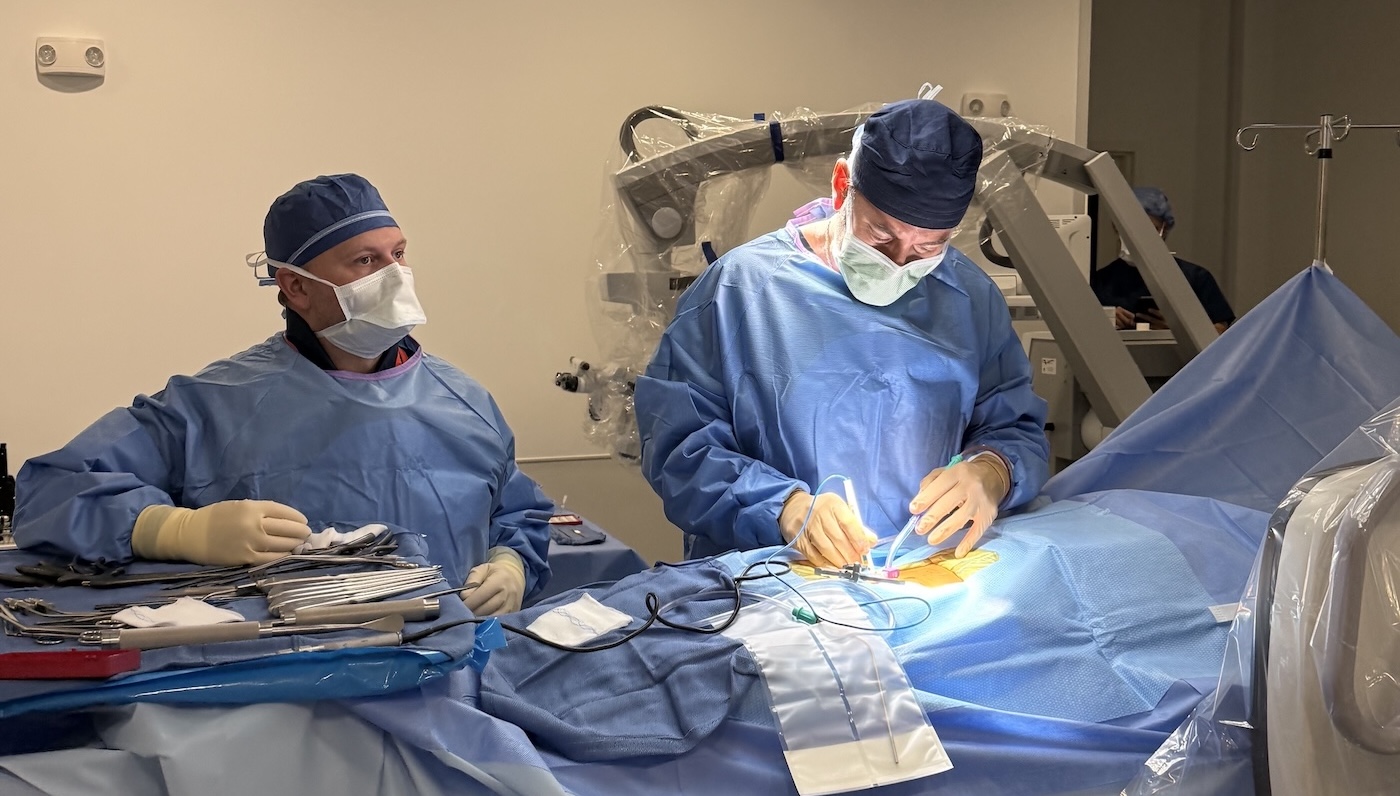
Outpatient spine surgery is growing, and its outlook suggests the trend will likely continue.
Here are four studies illustrating the state of outpatient spine surgery and where it’s headed.
1. Outpatient spine procedures grew among Medicare patients between 2010 and 2021, with significant yearly growth at ASCs, according to a study in the March 2024 issue of the North American Spine Society Journal.
Researchers conducted a cross-sectional study of Medicare billing database information for spine procedures between 2010 to 2021 to measure changes in outpatient volume in the Medicare population. The total number of outpatient spine procedures rose about 193% from 2010 to 2021. The compound annual growth rate for outpatient cases per year was 9.9% for hospital outpatient departments and 15.7% for ASCs.
2. Anterior cervical discectomy and fusion costs significantly less when performed in ASCs than the hospital setting for Medicare and privately insured patients, according to a study published in the Dec. 15 edition of Spine.
Total costs for spinal fusion in the ASC at one year were $5,879, compared with $12,873 for procedures in the hospital. Study authors concluded, “The ASC setting is a dominant option from a health economy perspective for first-time onelevel to two-level ACDF in select patients compared to the inpatient hospital setting.”
3. Outpatient and inpatient complications rates for anterior lumbar spinal surgery were similar, according to a study published Dec. 3 in the International Journal of Spine Surgery.
Researchers analyzed 226 consecutive anterior lumbar surgeries in an ASC or inpatient tertiary care hospital. They found 90-day readmission rates were lower for outpatient spinal fusion patients and concluded that, “Our results demonstrate that anterior lumbar procedures, including single-level and multilevel ALIF, ADR, and hybrid procedures, can be performed safely in an ASC. This has significant cost savings implications for the ASC setting.”
4. A small study from Newport Beach, Calif.-based Hoag Orthopedics found more patients preferred to have spine surgery at an ASC than a hospital. Of 58 people surveyed, 30 said they would prefer to undergo a spine operation in the ASC, while 28 said they would prefer to undergo surgery in a hospital.
More News & Insights from Cuéllar Spine
Do I Need to Wear a Brace After Spine Surgery?
One of the most common questions patients ask before spine surgery is: “Will I have to wear a brace afterward?”

Cervical Disc Replacement May Help Patients Return to Work Faster Than Fusion Surgery
A recent meta-analysis comparing cervical disc replacement (CDR) and anterior cervical discectomy and fusion (ACDF) found that patients

Leg Length Discrepancy as a Source of Scoliosis and Back Pain
The human body is built on balance and symmetry. When that balance is disrupted by even a fraction of an inch, the effects can ripple t

When Your Shoulder Pain Is Really Coming from Your Neck
Most people assume shoulder pain must be coming from the shoulder. But that is not always the case. Sometimes, the real source is the n
5 Common Post-Op Symptoms After Lumbar Disc Replacement
Undergoing a lumbar artificial disc replacement (ADR) is a major step toward reclaiming an active lifestyle. Unlike a spinal fusion, AD
Tests Needed Before Lumbar ADR & Cervical ADR
If you are exploring cervical or lumbar artificial disc replacement (ADR), one of the first surprises is how detailed the evaluation ca
The Importance of a High Volume ADR Surgeon
Artificial disc replacement (ADR) is one of the most exciting shifts in spine care because it is designed to treat painful disc problem
Dr. Jason Cuéllar Co-Authors Study Published in the International Journal of Spine Surgery on Cervical Disc Replacement
Dr. Jason M. Cuéllar, MD, PhD is a co-author of the peer-reviewed article “Return to Activity for On- and Off-Label Cervical Arthrop
What Can Make You a Good Candidate for Artificial Disc Replacement?
If you have lived with neck or back pain for a while, it is very common to start searching for alternatives to spinal fusion. Many peop