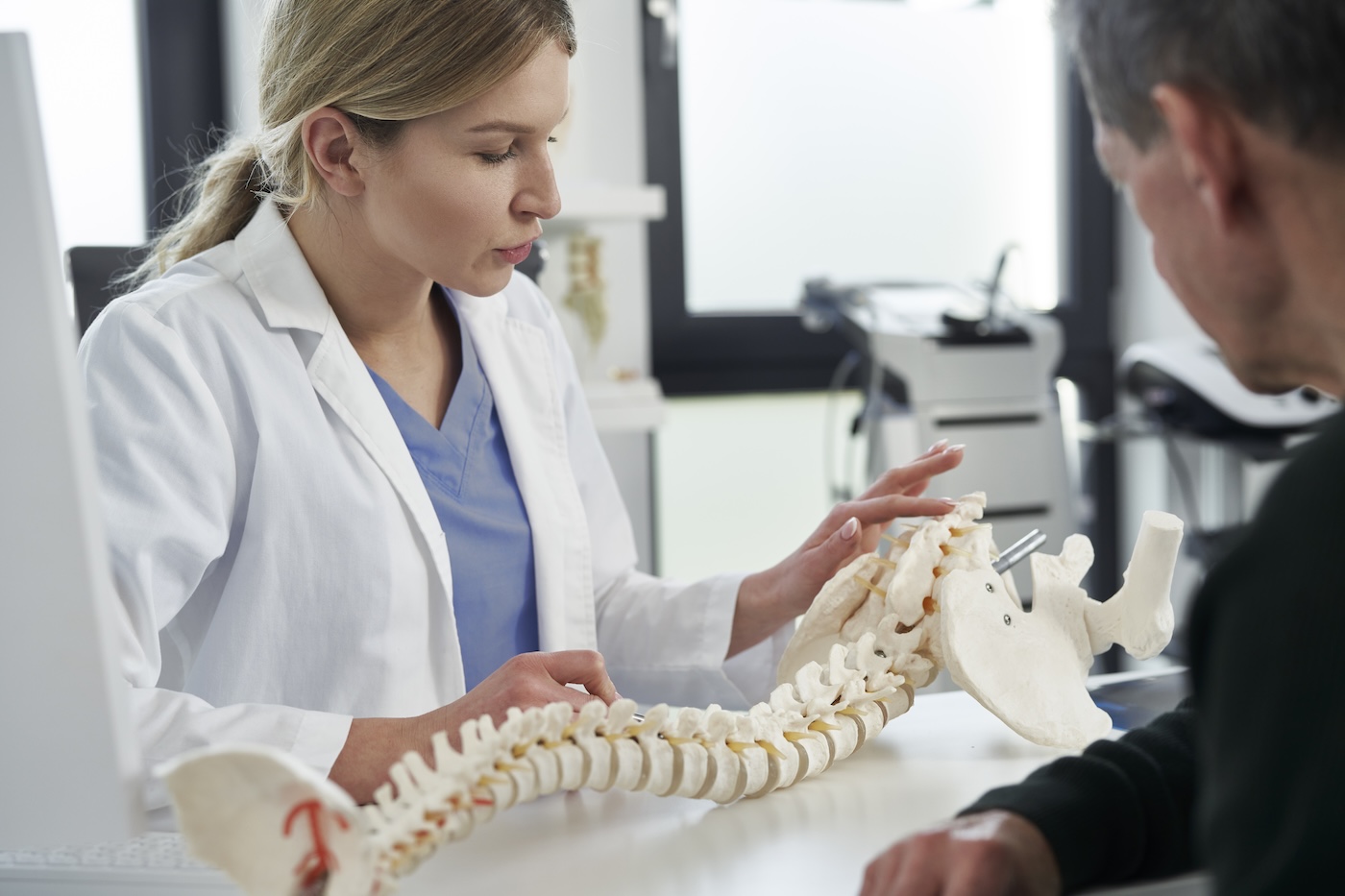
Undergoing a lumbar artificial disc replacement (ADR) is a major step toward reclaiming an active lifestyle. Unlike a spinal fusion, ADR is designed to preserve motion in your spine. However, because the procedure involves accessing the spine through the abdomen, the recovery process comes with a unique set of sensations and symptoms.
Knowing what is “normal” can help ease your anxiety and keep you focused on your rehabilitation goals.
1. Abdominal Discomfort and Incisional Healing
Most patients are surprised to learn that their primary discomfort in the first few days does not come from their back, but from their stomach. To reach the lumbar spine, surgeons must carefully move aside the abdominal muscles and organs. While the muscles are not typically cut, they are retracted for an extended period, which leads to significant soreness.
You might feel a deep aching sensation in your core that mimics the feeling of having performed hundreds of sit-ups. The incision site itself may also feel tight or itchy as the skin begins to knit back together. It is normal to experience some localized swelling or “puffiness” around the lower abdomen during the first two weeks. This is simply the body’s inflammatory response to the surgical intervention.
2. The Phenomenon of “Nerve Waking”
One of the most complex parts of recovery involves the nerves that were previously compressed by a damaged or herniated disc. Once the artificial disc is inserted and the height of the spinal space is restored, these nerves finally have room to breathe. However, a nerve that has been compressed for months or years does not always heal quietly.
As the nerve begins to “wake up” and regain its normal signaling capacity, you may experience a variety of sensory changes in your legs or feet. This is often referred to as “nerve fire” or “neuralgia.”
- Temporary Tingling: You might feel “pins and needles” that travel down to your toes.
- Zapping Sensations: Sharp, electric-like jolts can occur randomly as the nerve pathways stabilize.
- Fluctuating Numbness: It is common for pre-existing numbness to feel slightly worse before it gets better.
These sensations are generally a positive sign that the nerve is responding to the decompression, though they can be frustrating during the first month of recovery.
3. Digestive Changes and Post Surgical Bloating
Since the surgical path involves the space behind the abdominal cavity, the intestines are often temporarily “put to sleep” by the manipulation and the anesthesia. This can lead to a condition known as an ileus, where the digestive system slows down significantly.
Patients frequently report feeling bloated or having a lack of appetite for several days. Managing this symptom involves a combination of walking and dietary care, as well as preparing for your spine surgery properly.
- Hydration: Drinking plenty of water helps move the digestive system along.
- Early Mobility: Gentle walking in the hospital hallways is the most effective way to encourage your bowels to resume normal function.
- Medication Side Effects: Keep in mind that many pain medications contribute to constipation, so your surgeon may recommend a stool softener during the initial healing phase.
4. Back Stiffness and Structural Adjustment
Even though the artificial disc is designed for movement, your back muscles will likely be very protective in the weeks following surgery. This is a biological defense mechanism called “guarding.” Your body is trying to limit movement while the hardware settles into the bone and the surrounding ligaments adjust to their new tension.
You may feel a deep stiffness in your lower back, especially when transitioning from a sitting to a standing position. Additionally, since the artificial disc often restores the natural height between your vertebrae, your entire spinal alignment might shift slightly. This can cause temporary muscle spasms in your hips or upper back as your posture recalibrates to your new, taller frame.
5. Post-Surgical Fatigue
The physiological toll of lumbar disc replacement is substantial. Your body is not just healing a skin incision; it is diverting a massive amount of internal resources toward cellular repair, bone integration, and the regulation of post-operative inflammation. This metabolic demand often leads to a profound sense of exhaustion that can last for several weeks.
You may experience a “mental fog” or find that your concentration levels are significantly lower than usual. Simple activities that were once effortless, such as taking a shower or preparing a light meal, might leave you feeling as though you have run a marathon. This fatigue is often most intense during the first fourteen days as your system recalibrates. It is vital to listen to these signals and prioritize high-quality sleep. If you feel the need for a mid-day nap after a short walk, allow yourself that time. Your body is performing its most critical recovery work during these periods of rest.
When to Seek Medical Attention
While the symptoms mentioned above are a standard part of the healing process, it is essential to stay vigilant for signs that may indicate a complication. Your surgical team should be notified immediately if you experience any of the following “red flag” symptoms during your recovery.
Signs of Infection
Monitor your incision site daily for changes. While some redness is normal, a spreading area of bright red skin that feels hot to the touch is a cause for concern. You should also watch for any persistent drainage that is yellow, green, or foul-smelling. A fever exceeding 101 degrees Fahrenheit or persistent chills can also indicate that your body is fighting a systemic infection.
Neurological Changes
While “nerve waking” involves tingling and mild shooting pains, a sudden loss of function is not typical. Contact your doctor if you experience a dramatic increase in leg weakness, such as being unable to lift your foot (foot drop). Most importantly, any sudden loss of bowel or bladder control is a medical emergency that requires immediate evaluation to rule out severe nerve compression.
Vascular and Respiratory Concerns
Because this surgery involves the large blood vessels in the abdomen, your team will monitor your circulation closely. At home, be aware of any sudden, localized swelling in one calf, especially if it is accompanied by pain or redness. This can be a sign of a blood clot. Additionally, seek emergency care if you experience sudden shortness of breath or sharp chest pain, as these could indicate that a clot has traveled to the lungs.
Summary of the Recovery Journey
Recovering from a lumbar disc replacement is a unique process that balances the high-tech precision of spinal engineering with the natural, sometimes slow pace of biological healing. While the primary goal of the surgery is to alleviate chronic back pain and preserve your range of motion, the initial weeks are often defined by a shifting landscape of physical sensations. From the temporary “awakening” of long-compressed nerves to the specific muscle soreness associated with an abdominal surgical approach, each symptom is a milestone on your path to wellness.
If you’re considering lumbar disc replacement or navigating recovery after surgery, Dr. Jason Cuéllar can help you understand your options and protect your long-term spine mobility. Book a visit today.

 Skip to the content